How Can I Make My Rental Property More Sustainable?
How Can I Make My Rental Property More Sustainable?
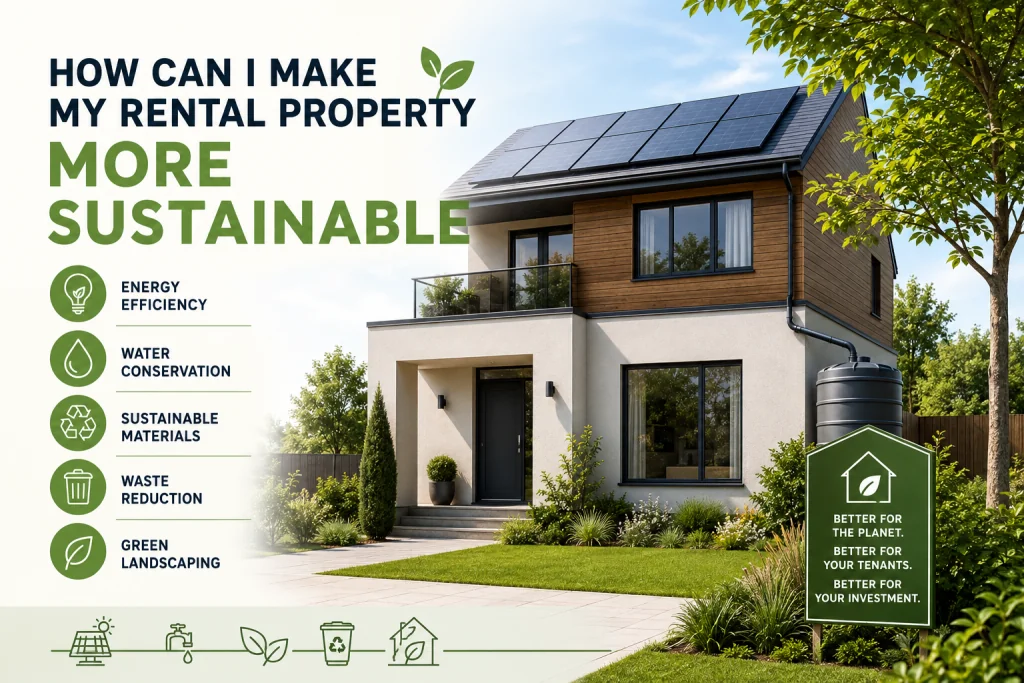
Meta Description: Discover how to make rental properties more sustainable with investment-specific guidance. Learn high-ROI upgrades, how to overcome the split-incentive dilemma, and why green building is the future of real estate.
Sustainability in real estate is no longer just a niche trend or an environmental checkbox; it is a fundamental driver of asset value. For investors, developers, and property managers, the question is no longer if they should build or retrofit green, but how to do it profitably.
As construction and industry professionals, you are often the ones fielding this question from investor clients—or asking it for your own portfolios. Making a rental property sustainable requires a different playbook than upgrading a primary residence. The focus must shift from purely emotional or environmental benefits to hard financial metrics: ROI, lifecycle costs, tenant retention, and asset valuation.
Here is your comprehensive, investment-specific guide to answering the question: How can I make my rental property more sustainable?
1. The Business Case: Why Sustainability Matters for Rentals
Before diving into the physical upgrades, it’s crucial to understand the financial levers that sustainable properties pull for investors:
- The "Green Premium": Studies consistently show that energy-efficient, certified green buildings command higher rental rates and experience lower vacancy rates.
- Reduced OpEx: Lower utility and maintenance costs directly improve the Net Operating Income (NOI), which in turn increases the overall cap rate and property value.
- Future-Proofing Against Regulation: With municipal and state building codes becoming increasingly stringent regarding carbon emissions and energy use, sustainable retrofits protect investors from costly compliance penalties down the road.
2. High-ROI Sustainable Upgrades (The Construction Perspective)
When advising investors or planning a retrofit, focus on upgrades that offer the fastest payback periods and the longest lifecycles.
A. Optimize the Building Envelope
The most sustainable building is the one that doesn't leak energy. Before upgrading mechanical systems, seal the envelope.
- Advanced Insulation: Upgrade to spray foam or high-density batt insulation in attics and walls.
- High-Performance Windows: Replace single-pane or older double-pane units with Low-E, argon-filled windows.
- Air Sealing: Conduct a blower door test and seal all penetrations. Pro-tip for contractors: Use this data to pitch the upgrade to investors by showing the exact calculated reduction in HVAC load.
B. Upgrade Mechanical and Electrical Systems
HVAC and water heating are the largest energy drains in a rental property.
- Cold-Climate Heat Pumps: Transitioning from gas furnaces to high-efficiency electric heat pumps is a massive trend in 2026, driven by electrification goals and superior efficiency.
- Smart Thermostats & Controls: Install commercial-grade smart thermostats. They allow property managers to monitor system health remotely and prevent tenants from leaving systems running while windows are open.
- LED and Automated Lighting: Retrofit all common areas and units with LEDs, and install occupancy sensors in hallways, laundry rooms, and exterior lighting.
C. Water Conservation Fixtures
Water costs are rising, and conservation reduces both water and the energy required to heat it.
- Low-Flow Fixtures: Install aerators on faucets and low-flow showerheads.
- Tankless or Hybrid Heat Pump Water Heaters: These drastically cut the energy required to heat water compared to traditional electric or gas storage tanks.
- Smart Irrigation: For properties with landscaping, swap traditional timers for weather-based smart controllers that adjust watering based on real-time soil moisture and rain forecasts.
D. Durable, Low-Maintenance Materials
Sustainability isn't just about energy; it's about material lifecycle. Using durable materials reduces the frequency of replacements, saving the investor CapEx over time.
- Metal Roofing: While the upfront cost is higher, a standing seam metal roof can last 50+ years, eliminating the need for multiple asphalt shingle replacements over the life of the investment.
- Composite Decking: Swap out pressure-treated wood for composite materials that won't rot, splinter, or require annual sealing.
3. Navigating the "Split Incentive" Dilemma
The biggest hurdle in sustainable rental properties is the split incentive: the landlord pays for the capital upgrade (CapEx), but the tenant reaps the benefit of lower monthly utility bills (OpEx). If not addressed, investors will hesitate to fund green upgrades.
How to solve it:
- Focus on Capital Improvements: Pitch upgrades that increase the property's resale value and rental premium (like a new high-efficiency HVAC or metal roof) rather than just those that save on utility bills.
- Implement "Green Leases": Work with legal professionals to draft leases that allow for utility cost-sharing or include clauses where a portion of the utility savings is passed back to the landlord.
- Sub-metering: Install sub-meters for water and electricity. When tenants pay for exactly what they use, they are more likely to consent to smart-home upgrades that help them monitor and control their usage.
- Include Utilities in the Rent (RUBS): If the investor pays the utilities, implementing the Ratio Utility Billing System (RUBS) or including a flat "green utility" fee in the rent allows the investor to capture the ROI of the energy savings directly.
4. Leverage Incentives and Financing
A crucial part of your advisory role as a construction professional is helping the investor find the money.
- Tax Credits and Rebates: Stay updated on local, state, and federal incentives for energy-efficient upgrades (such as the ongoing commercial energy efficiency tax deductions and electrification rebates).
- Green Financing: Many lenders now offer "green mortgages" or favorable loan terms for properties that achieve specific energy ratings or LEED/BPI certifications. Help your clients connect with these specialized lenders.
5. Measure, Verify, and Market
An upgrade is only as good as its documented performance.
- Get Certified: Encourage investors to pursue third-party certifications like ENERGY STAR for Homes, LEED, or local green building programs.
- Provide an Energy Score: Just like a HERS index score or an EPC (Energy Performance Certificate), provide the investor with a before-and-after energy model.
- Market the Green Features: When the construction is done, help the property manager market the home. Highlight the lower utility costs, the improved indoor air quality, and the sustainable materials used.
When an investor asks, "How can I make my rental property more sustainable?" they are really asking, "How can I make my asset more profitable, resilient, and attractive?"
As builders, contractors, and developers, your role is to bridge the gap between green construction practices and investment strategy. By focusing on high-ROI envelope and system upgrades, solving the split-incentive dilemma, and leveraging modern financing, you can help your clients build portfolios that are not only good for the planet but exceptionally good for their bottom line.
Found this article valuable?
Share it with fellow builders, architects, or download the QR code.
Written by Shanmugam2026
Verified CreatorARQONZ Editorial Team brings you expert insights, construction guides, and architectural design trends from across the building industry.
Related Articles in Construction
What Should I Never Say to My Contractor?