How Does Weather Affect Construction Project Timelines?
How Does Weather Affect Construction Project Timelines?
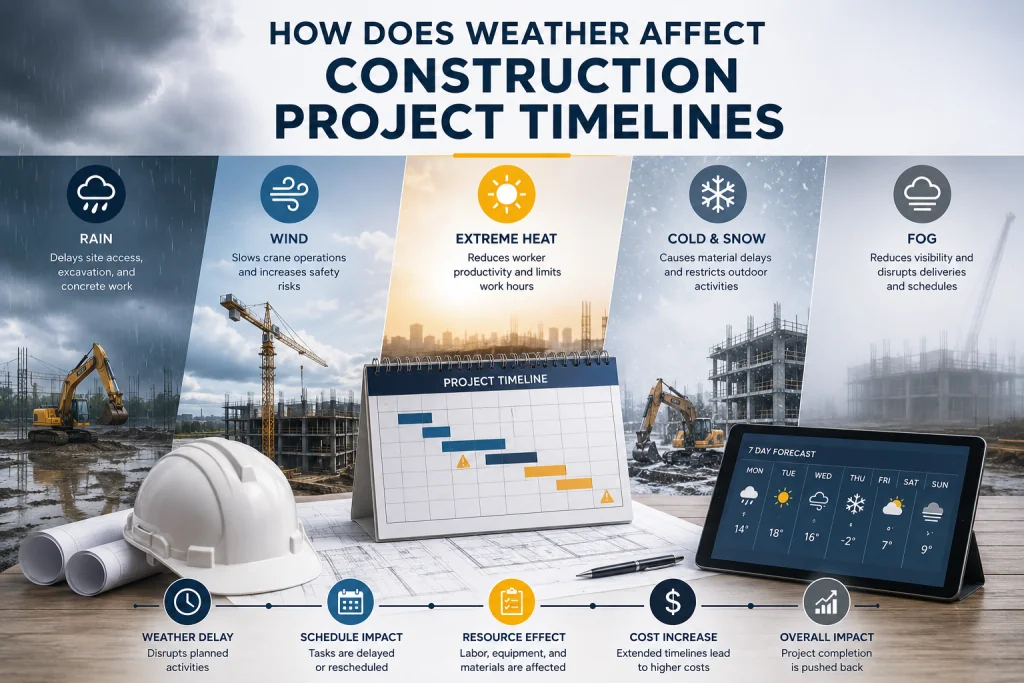
In the construction industry, there is one variable that no project manager, superintendent, or developer can completely control: the weather.
While modern construction technology has revolutionized how we design and build, the elements remain the ultimate wildcard. Unpredictable weather doesn’t just pose safety hazards; it is one of the leading causes of schedule overruns, budget blowouts, and strained client relationships.
To keep projects moving forward, industry professionals must move beyond simply "hoping for good weather." By understanding how seasonal weather patterns specifically impact construction timelines, teams can build resilient schedules and implement proactive mitigation strategies.
Here is a comprehensive look at how the seasons affect your critical path—and how to weather-proof your project timelines.
The Seasonal Breakdown: How Weather Disrupts the Critical Path
Every season brings a unique set of challenges that can halt productivity, damage materials, and push back completion dates.
Winter: The Freeze and Thaw Cycle
Winter is notoriously hard on construction schedules. The primary culprits are freezing temperatures, snow, and ice.
- Concrete and Masonry: Concrete requires specific temperatures to cure properly. When temps drop below 40°F (4°C), the hydration process slows down or stops entirely, requiring expensive thermal blankets and heated enclosures. If not managed, this leads to structural weaknesses and massive rework delays.
- Earthwork and Excavation: Frozen ground is incredibly difficult to excavate. Equipment wear-and-tear increases, and productivity drops significantly.
- Daylight Hours: Shorter days mean fewer productive hours, directly impacting the timeline unless costly overtime and temporary lighting are implemented.
Spring: Mud, Rain, and Unpredictability
Spring brings thawing snow and heavy rains, turning job sites into muddy quagmires.
- Site Access and Subgrades: Heavy rain saturates the soil, making it impossible for heavy machinery to operate without getting stuck or causing severe rutting. Waiting for the subgrade to dry can delay foundation pouring by days or even weeks.
- Trench Safety: Rain destabilizes trench walls, increasing the risk of cave-ins. Safety protocols require halting excavation and re-shoring trenches after heavy rains, causing direct delays to utility and foundation work.
Summer: Heat, UV, and Sudden Storms
While summer offers the longest daylight hours, extreme heat and sudden severe weather present their own timeline threats.
- Worker Fatigue and Safety: Extreme heat leads to fatigue, decreased productivity, and a higher risk of heat-related illnesses. OSHA mandates require more frequent breaks and hydration, which naturally slows down the pace of work.
- Material Handling: High heat can cause materials like asphalt to cool too quickly during transport or cure too fast during placement. Wood and PVC can also expand, requiring adjustments in installation tolerances.
- Afternoon Thunderstorms: In many regions, summer afternoons bring sudden, violent thunderstorms. These can halt crane operations, electrical work, and roofing, eating away at daily productivity targets.
Autumn: Wind and Early Cold Snaps
Autumn is often considered the "golden season" for construction, but it carries hidden risks.
- High Winds: Cranes and heavy lifting operations have strict wind speed limits. High autumn winds can shut down vertical construction and steel erection for days at a time.
- Early Freezes: An unseasonably early cold snap can catch projects off guard, halting exterior finishes, roofing, and concrete work before the building is dried in.
The Ripple Effect: Beyond Lost Days
When weather delays a project, the impact on the timeline is rarely just a 1:1 ratio of "lost days." The ripple effect can severely compound schedule overruns:
- Sequential Delays: If the foundation is delayed by rain, the framers can’t start. If the framers are delayed, the roofers can’t start. A three-day weather delay at the beginning of the critical path can turn into a three-week delay at the end.
- Trade Stacking: To make up for lost time, project managers often try to "stack" trades (e.g., having electricians and plumbers work in the same space simultaneously). This leads to congestion, safety hazards, and reduced efficiency.
- Material Degradation: Materials left exposed to the elements (like lumber warping in the rain or drywall absorbing moisture) must be replaced, leading to supply chain delays and additional installation time.
Strategies to Weather-Proof Your Construction Schedule
You cannot control the weather, but you can control how your project responds to it. Here are proactive strategies to minimize weather-related timeline impacts:
1. Leverage Historical Data and Predictive Tech
Don't just rely on a standard weather app. Utilize historical weather data for your specific region to build realistic seasonal expectations. Implement predictive weather analytics and AI-driven scheduling software that can alert you to impending weather events days in advance, allowing you to adjust the schedule proactively.
2. Build "Weather Days" into the Critical Path
When estimating the project schedule, include a calculated amount of "float" or weather days based on historical averages for that specific season. Communicate these contingencies to the client upfront so expectations are aligned.
3. Optimize Task Sequencing
Create a dynamic schedule that shifts tasks based on the forecast. If heavy rain is predicted on Tuesday, shift the crew to interior prep work, material staging, or prefabrication in a covered area. Save exterior, weather-dependent tasks for the clear days.
4. Invest in Site Preparation and Winterization
Proper site drainage is crucial for spring and summer rain events. Installing silt fences, French drains, and grading the site for runoff before the rainy season begins can save your earthwork schedule. Similarly, investing in heated enclosures and thermal blankets before winter hits ensures concrete work doesn't grind to a halt.
5. Protect Your Materials
Ensure that the site has adequate, covered laydown areas. Tarps, enclosed trailers, and climate-controlled storage for sensitive materials prevent weather damage and eliminate the timeline-killing delay of waiting for replacement materials.
Weather will always be a factor in construction, but it doesn't have to be the reason your project finishes late and over budget. By understanding the specific seasonal impacts on your trade sequences and implementing proactive, technology-driven mitigation strategies, you can keep your crews safe, your clients happy, and your project on schedule.
Found this article valuable?
Share it with fellow builders, architects, or download the QR code.
Written by Shanmugam2026
Verified CreatorARQONZ Editorial Team brings you expert insights, construction guides, and architectural design trends from across the building industry.
Related Articles in Construction

What Should I Never Say to My Contractor?