How to Find a Contractor You Can Actually Trust?
How to Find a Contractor You Can Actually Trust?
Starting a construction, remodeling, or building project is an exciting endeavor. However, for many clients, the anticipation is quickly overshadowed by a lingering anxiety: What if I hire the wrong person?
Horror stories about abandoned projects, blown budgets, and subpar craftsmanship are all too common. But they don’t have to be your reality. In the construction industry, top-tier professionals actually welcome a rigorous vetting process because it separates serious clients from casual browsers.
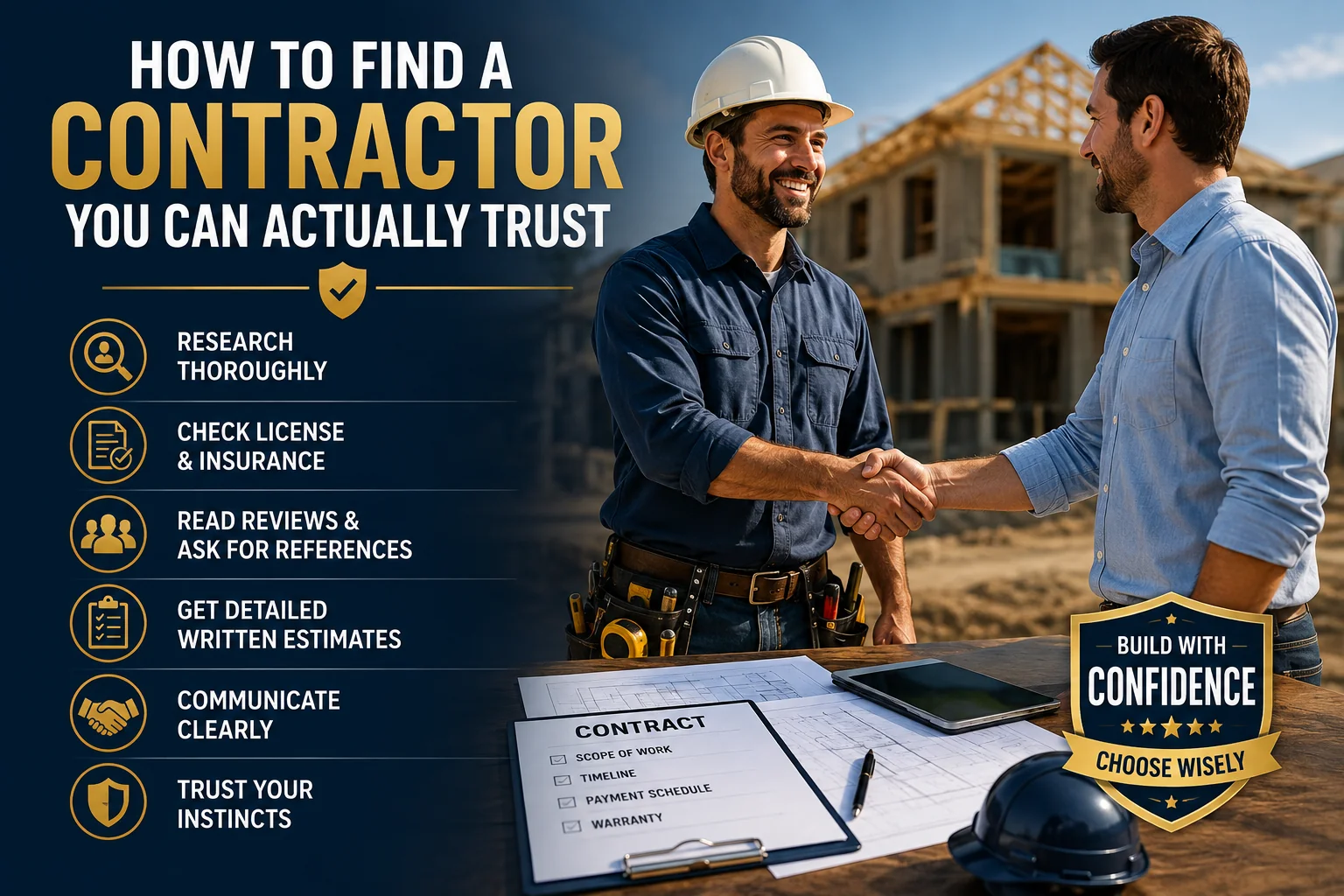
If you want to protect your investment and your peace of mind, you need to know how to properly vet and select a reliable contractor. Here is your comprehensive, step-by-step guide to finding a construction partner you can actually trust.
1. Define Your Project Scope Clearly
Before you can find the right contractor, you need to know exactly what you are asking them to build. A vague idea like "I want to update my kitchen" will result in wildly inaccurate bids.
Take the time to write down a detailed scope of work. If possible, work with an architect or designer to create blueprints and material specifications. The clearer your vision, the easier it will be for contractors to give you an accurate, apples-to-apples estimate.
2. Gather Referrals and Do Initial Research
Don’t just pick the first name you see on a billboard or the top result on a search engine.
- Word of Mouth: Ask friends, family, and neighbors who have recently completed similar projects.
- Industry Associations: Look for contractors who are members of reputable organizations like the National Association of Home Builders (NAHB) or the Associated General Contractors (AGC). Membership often requires a commitment to industry standards and continuing education.
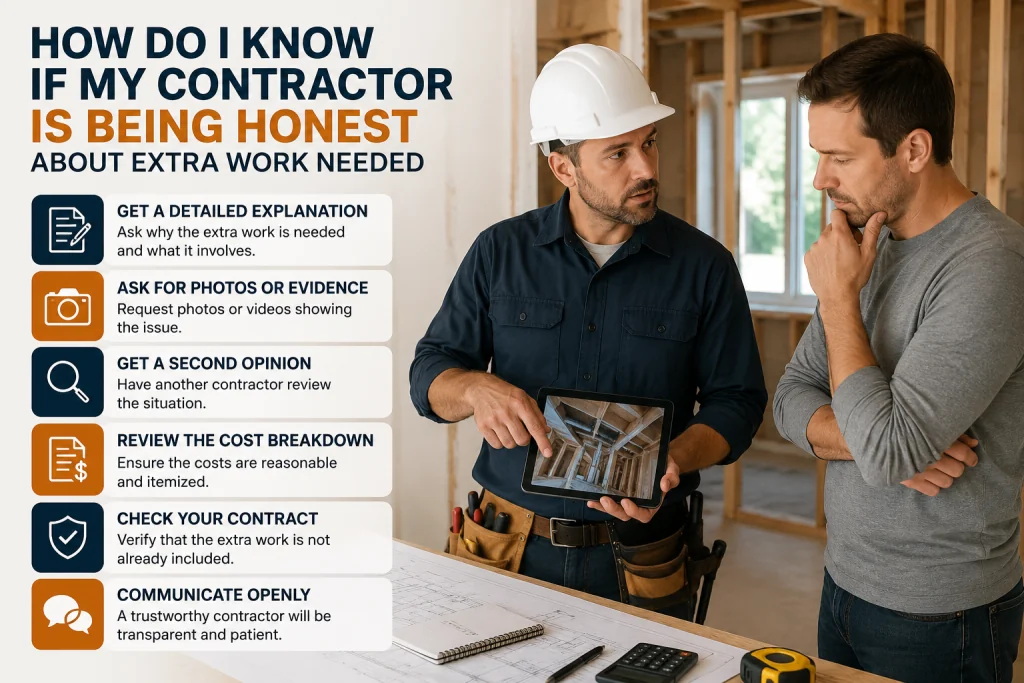
- Online Reviews: Check Google, Yelp, and specialized sites like Houng or Angi. Look for patterns in the reviews—how does the contractor respond to negative feedback?
3. Verify the "Non-Negotiables" (Credentials)
This is the most critical step in the vetting process. Never skip verifying a contractor's legal and financial protections.
- Licensing: Ensure the contractor holds a valid, current license for your specific state and municipality. You can usually verify this through your state’s licensing board website.
- Insurance: This is non-negotiable. The contractor must carry both General Liability Insurance (to protect your property from damage) and Workers’ Compensation (to protect you from liability if a worker is injured on your property). Always ask for a certificate of insurance and call the provider to verify it is active.
- Bonding: A surety bond protects you financially if the contractor fails to complete the job or pay for permits and subcontractors.
4. Check Their Track Record and Portfolio
A reliable contractor will have a robust portfolio of past work. Ask to see examples of projects similar in size and scope to yours.
More importantly, ask for at least three recent references. Don’t just look at the names—actually call them. Ask the previous clients:
- Was the project completed on time and within budget?
- How did the crew handle unexpected issues?
- Was the job site kept clean and safe?
- Would you hire them again?
5. Conduct Thorough Interviews
Once you have narrowed your list down to two or three candidates, invite them to walk through the project site. Pay attention to their communication style. Are they listening to your needs, or just waiting for their turn to speak?
Questions to ask during the interview:
- Who will be the on-site project manager or foreman?
- Will you be using your own employees or subcontractors? (If they use subs, ask how they vet and pay them).
- How do you handle communication and daily updates?
- What is your protocol for handling "change orders" (changes to the original plan)?
6. Evaluate the Bids (Beware the Lowest Price)
You should always get at least three detailed bids. However, do not automatically choose the lowest bid.
In construction, if a bid is significantly lower than the others, it usually means the contractor has either misunderstood the scope of work, made a mathematical error, or is planning to cut corners on materials and labor. A trustworthy contractor prices their work to ensure they can pay their team fairly, pull the correct permits, and use quality materials.
7. Review the Contract Meticulously
Trust is built on transparency, and a professional contract is the foundation of that transparency. Never accept a verbal agreement or a one-page quote. A solid construction contract should include:
- A detailed scope of work: Exactly what is being done.
- Material specifications: Brands, models, colors, and grades of materials to be used.
- A clear timeline: Start date, milestone dates, and a projected completion date.
- A fair payment schedule: Never pay 100% upfront. Payments should be tied to completed milestones (e.g., 10% deposit, 25% after framing, 25% after drywall, etc.).
- A change-order process: A written procedure for how extra costs and time extensions are handled if the scope changes.
Finding a contractor you can trust requires an investment of your time upfront, but it will save you thousands of dollars and endless headaches down the road.
Remember, a reliable contractor will never pressure you to sign immediately, will happily provide proof of insurance, and will encourage you to read the fine print. By following this vetting process, you shift the dynamic from a stressful gamble to a professional partnership, setting the stage for a successful construction project.
Found this article valuable?
Share it with fellow builders, architects, or download the QR code.
Written by Shanmugam2026
Verified CreatorARQONZ Editorial Team brings you expert insights, construction guides, and architectural design trends from across the building industry.
Related Articles in Construction
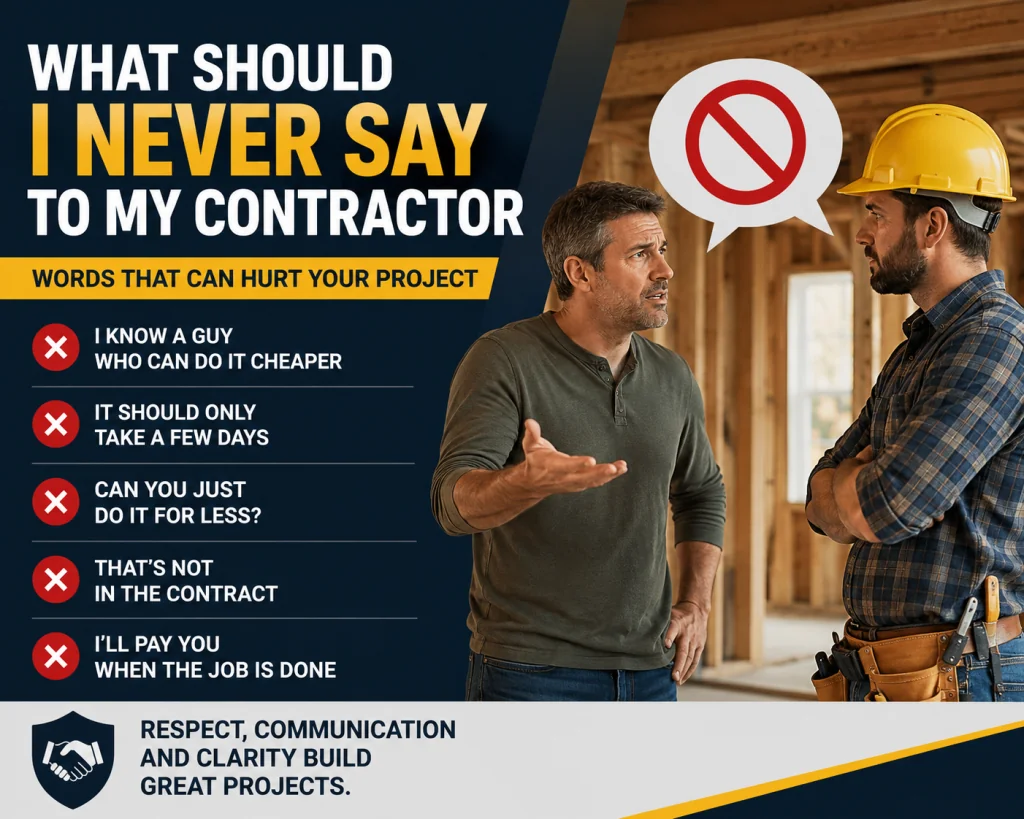
What Should I Never Say to My Contractor?