Is Construction Really Seasonal?
Is Construction Really Seasonal?
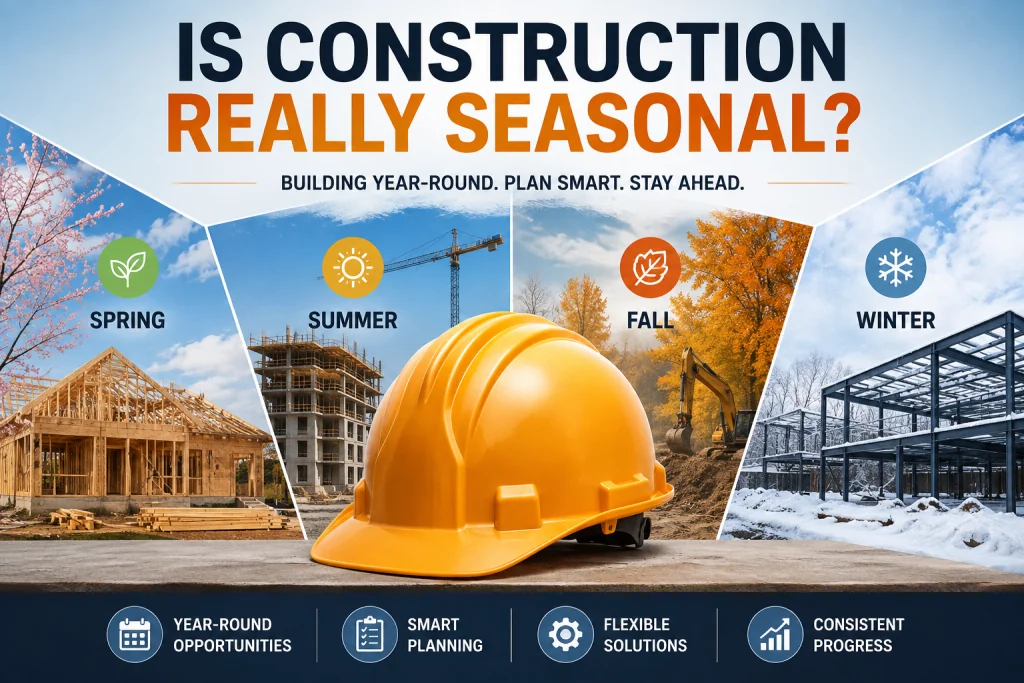
For decades, the narrative surrounding the construction industry has been tied to the calendar. The traditional wisdom dictates a "boom and bust" cycle: a frantic, sun-drenched rush during the spring and summer months, followed by a dormant, snow-covered lull in the winter.
But as the industry evolves, so do its rhythms. With advancements in materials, the rise of off-site construction, and shifting global climates, the old rules of seasonality are being rewritten.
For contractors, project managers, and suppliers, understanding the true nature of construction seasonality is no longer just about weather forecasting—it is about strategic resource allocation, cash flow management, and maintaining a competitive edge.
Let’s break down the reality of construction seasonality, why the traditional "winter lull" is fading, and how industry leaders are adapting to a year-round market.
The Traditional View: Why Construction Seems Seasonal
To understand where the industry is going, we must first acknowledge why the seasonal stigma exists. Historically, construction has been heavily tethered to environmental factors:
- Weather and Material Limitations: Earthworks, grading, and paving are nearly impossible in frozen or waterlogged ground. Similarly, traditional concrete pouring requires specific temperature ranges to cure properly, making deep winter a natural stopping point for exterior structural work.
- Daylight Hours: In many northern climates, the drastic reduction of daylight in the winter limits productive working hours and increases the cost and complexity of site lighting.
- Safety and Liability: Ice, snow, and high winds introduce severe safety hazards for crane operations, roofing, and working at heights, prompting natural work stoppages.
- The Human Element: Historically, the industry relied on seasonal labor. Workers would build during the warm months and seek alternative employment or collect unemployment during the winter.
Because of these factors, the "critical path" of many traditional projects was inherently seasonal, dictating when bids were won, when materials were ordered, and when crews were mobilized.
The Modern Reality: Flattening the Seasonal Curve
While Mother Nature still dictates the physical limits of a job site, modern construction firms are actively engineering their way around seasonal slowdowns. The industry is flattening the curve through several key innovations:
1. The Rise of Off-Site and Modular Construction
Perhaps the biggest disruptor of construction seasonality is the shift toward prefabrication and modular building. By moving a significant portion of the building process into climate-controlled factories, contractors can continue manufacturing walls, MEP (mechanical, electrical, plumbing) racks, and modular units year-round. The "job site" may be snowed in, but the "factory" is operating at full capacity.
2. Material Innovations
Material science has drastically reduced weather-related downtime. The use of cold-weather concrete admixtures, heated enclosures, and thermal blankets allows structural work to continue well below freezing. Similarly, advanced synthetic underlayments and weather-resistant membranes allow roofing and exterior envelope work to proceed in conditions that would have halted a site 20 years ago.
3. Strategic Project Phasing
Smart general contractors are mastering the art of seasonal phasing. They schedule site work, foundation pouring, and exterior framing for the spring and summer, while deliberately scheduling interior fit-outs, drywall, painting, and MEP rough-ins for the fall and winter. By balancing their portfolios, firms can keep their core crews employed year-round.
A New Challenge: "Reverse" Seasonality and the Heat Factor
While the winter slowdown is diminishing, the industry is facing a new seasonal challenge: extreme summer heat.
In regions like the Sunbelt, the Middle East, and increasingly across the globe, summer is no longer the undisputed peak of productivity. Dangerous heat indices are forcing contractors to shift to split shifts, early morning starts (e.g., 4:00 AM), or even night work.
This "reverse seasonality" means that summer can actually bring its own form of slowdown, as labor productivity drops and safety protocols require more frequent hydration and rest breaks. Consequently, the "shoulder seasons" (spring and fall) are becoming the true peak periods for exterior productivity in many climates.
Strategic Takeaways for Construction Leaders
If construction is no longer strictly seasonal, how should industry leaders adjust their operations?
- Rethink Cash Flow and Billing: The old model of "make all your money in the summer to survive the winter" is outdated. Implement steady billing cycles and utilize construction management software to maintain consistent cash flow year-round.
- Leverage the "Slow" Times for Pre-Construction: Use the historically slower months (or periods of extreme weather) to invest in heavy pre-construction planning. Utilize Building Information Modeling (BIM) for clash detection, secure early procurement of long-lead materials, and finalize permitting.
- Prioritize Equipment Maintenance: A seasonal approach to equipment leads to breakdowns during peak season. Implement predictive and preventive maintenance schedules during off-peak weeks to ensure your fleet is ready when the critical path demands it.
- Focus on Retention and Training: The labor shortage is the industry's most pressing issue. Use off-peak times for cross-training, safety certifications, and team building. Keeping your workforce engaged and employed year-round is the best strategy for retaining top talent.
Is construction really seasonal? Yes and no.
The physical act of moving dirt and pouring concrete will always be subject to the whims of the weather. However, the business of construction—planning, fabricating, managing, and executing—is no longer bound by the seasons.
The most successful construction companies today are those that view seasonality not as a mandate to shut down, but as a variable to be managed. By embracing technology, diversifying project types, and planning strategically, modern builders are proving that with the right approach, the cranes never really have to stop swinging.
Found this article valuable?
Share it with fellow builders, architects, or download the QR code.
Written by Shanmugam2026
Verified CreatorARQONZ Editorial Team brings you expert insights, construction guides, and architectural design trends from across the building industry.
Related Articles in Construction

What Should I Never Say to My Contractor?