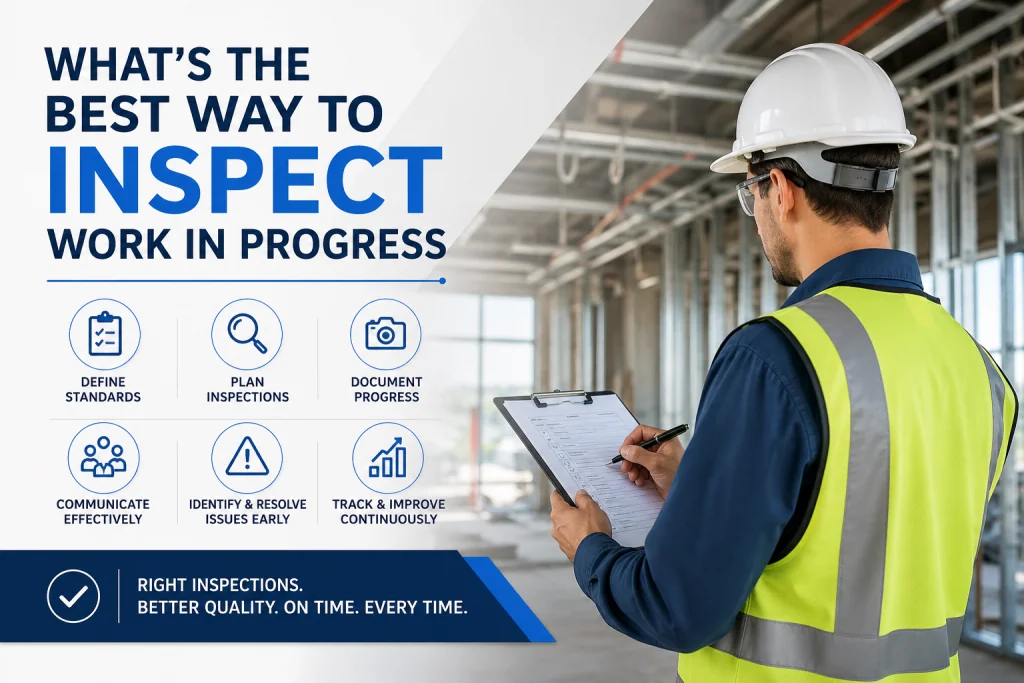
What's the Best Way to Inspect Work in Progress?
What's the Best Way to Inspect Work in Progress?
In the construction industry, the difference between a successful project and a costly failure often comes down to one critical factor: how well you inspect work in progress.
Quality control isn't just a box to check at the end of a project—it's an ongoing process that, when done correctly, saves time, money, and reputation. But with multiple trades, tight schedules, and complex specifications, what's the best way to ensure quality throughout construction?
Let's explore proven strategies for effective work-in-progress inspection.
Why Inspecting Work in Progress Matters
Before diving into methods, it's essential to understand why WIP (Work in Progress) inspections are non-negotiable:
- Early Problem Detection: Catching defects early prevents costly rework later
- Compliance Assurance: Ensures adherence to building codes, specifications, and safety standards
- Risk Mitigation: Reduces liability and potential legal issues
- Client Confidence: Demonstrates professionalism and commitment to quality
- Budget Control: Prevents cost overruns from major corrections
Best Practices for Inspecting Work in Progress
1. Develop a Comprehensive Inspection Plan
Don't wait until problems arise. Create a detailed inspection schedule that outlines:
- Critical inspection points (foundations, framing, MEP rough-ins, etc.)
- Frequency of inspections (daily, weekly, milestone-based)
- Responsible parties (site supervisors, QA/QC managers, third-party inspectors)
- Checklists and standards for each trade and phase
A well-structured plan ensures nothing falls through the cracks.
2. Implement Layered Quality Control
Effective quality control operates at multiple levels:
Level 1: Self-Inspection by Trades
- Workers check their own work before calling for formal inspection
- Promotes ownership and accountability
Level 2: Supervisor Inspection
- Site supervisors verify work meets specifications
- Conducts daily walkthroughs and spot checks
Level 3: QA/QC Manager Review
- Dedicated quality professionals perform systematic inspections
- Documents findings and tracks corrective actions
Level 4: Third-Party/Client Inspection
- Independent verification for critical milestones
- Provides objective assessment
3. Leverage Technology for Better Monitoring
Modern construction demands modern tools:
- Mobile Inspection Apps: Real-time documentation with photos, notes, and digital signatures
- Building Information Modeling (BIM): Compare as-built conditions against design models
- Drones: Aerial inspections of hard-to-reach areas
- IoT Sensors: Monitor concrete curing, structural movement, and environmental conditions
- Cloud-Based Platforms: Centralize inspection data accessible to all stakeholders
Technology doesn't replace human expertise—it amplifies it.
4. Standardize Documentation
Consistent documentation is crucial for:
- Tracking quality trends
- Supporting claims and change orders
- Creating accountability
- Building a knowledge base for future projects
Essential documentation includes:
- Daily inspection reports
- Non-conformance reports (NCRs)
- Corrective action logs
- Photo documentation with timestamps
- Test results and certifications
5. Conduct Regular Quality Meetings
Inspection isn't just about finding faults—it's about continuous improvement:
- Hold weekly quality review meetings
- Discuss recurring issues and root causes
- Share best practices across teams
- Adjust processes based on inspection findings
6. Train Your Team
The best inspection system fails without competent people:
- Provide regular training on quality standards
- Ensure inspectors understand specifications and codes
- Cross-train team members on inspection protocols
- Encourage certification programs (CQA, CQT, etc.)
7. Focus on Critical Path Activities
Not all inspections carry equal weight. Prioritize:
- Structural elements (foundations, load-bearing components)
- Waterproofing and envelope systems
- MEP systems before they're concealed
- Fire safety systems
- Code-mandated inspections
Common Pitfalls to Avoid
❌ Rushing inspections to meet schedules
❌ Relying solely on final inspections
Poor communication between inspectors and crews
❌ Inconsistent inspection standards
❌ Failing to follow up on corrective actions
The Bottom Line
The best way to inspect work in progress isn't a single method—it's a systematic approach combining:
✅ Proactive planning
✅ Multi-level quality control
✅ Technology integration
✅ Consistent documentation
✅ Continuous communication
✅ Skilled personnel
When quality control and monitoring become embedded in your project culture rather than treated as an afterthought, you don't just build structures—you build trust, reputation, and lasting value.
Found this article valuable?
Share it with fellow builders, architects, or download the QR code.
Written by Shanmugam2026
Verified CreatorARQONZ Editorial Team brings you expert insights, construction guides, and architectural design trends from across the building industry.
Related Articles in Construction
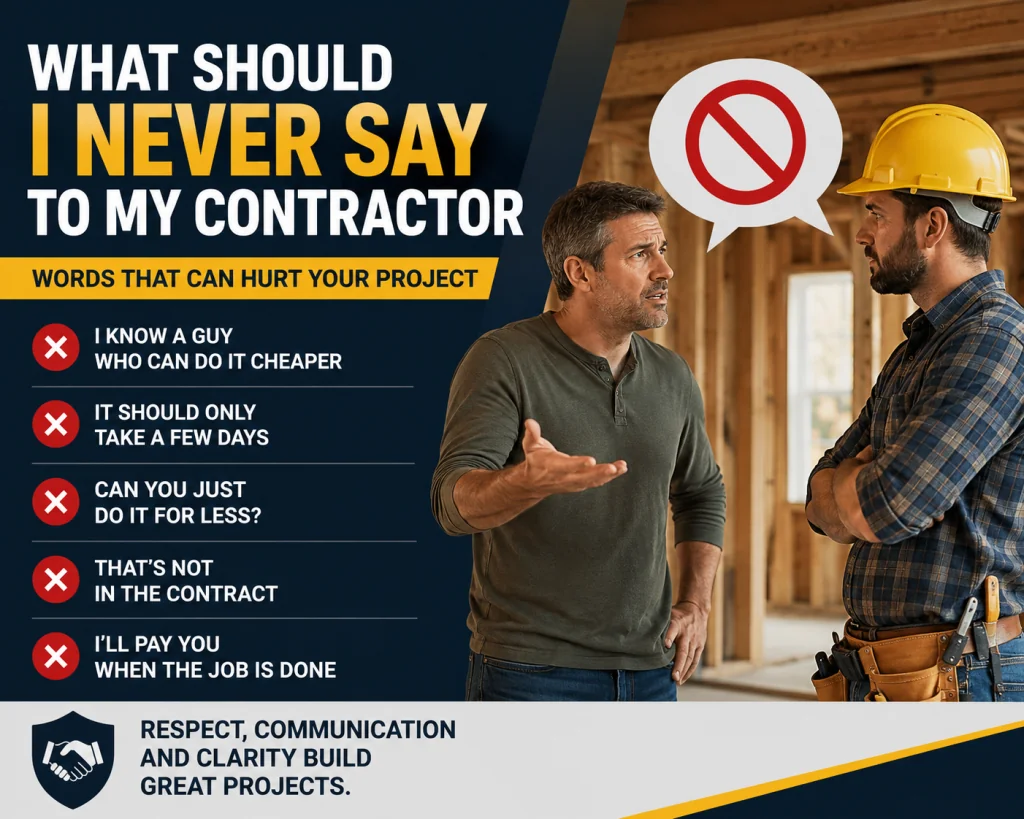
What Should I Never Say to My Contractor?